

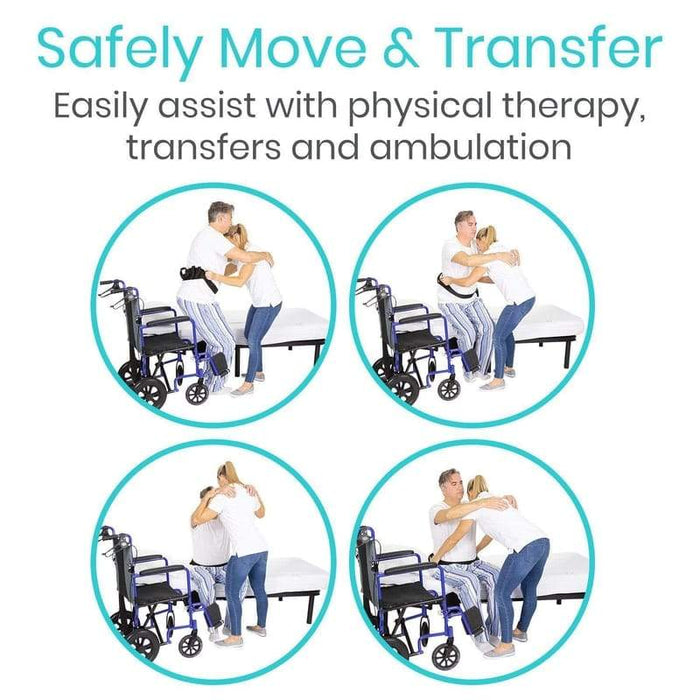
Anyone who has ever helped a loved one stand, walk, or move from one place to another knows this truth all too well: your hands alone are not enough. Balancing someone who feels unsteady, supporting their weight, and reacting quickly to sudden shifts can be physically demanding—and sometimes risky.
That’s exactly why gait belts have become an essential tool in caregiving and rehabilitation. At Fold and Travel, we designed our gait belts not just as safety equipment, but as everyday companions that make mobility smoother, safer, and more dignified for both the caregiver and the person being assisted.
If you’ve found yourself searching for terms like “best transfer belt,” “safe patient lifting,” “gait belt with handles,” or “how to help someone walk safely,” this article will give you a practical, real-world perspective on choosing the right gait belt.
Why Gait Belts Are a Game-Changer for Everyday Mobility
Whether you’re a family caregiver helping your parent navigate the living room or a therapist guiding someone through rehab exercises, a gait belt instantly improves control and balance.
Here’s what makes them so valuable:
-
They reduce the chance of falls during transfers
-
They protect caregivers from back injuries
-
They give patients a sense of stability and confidence
-
They provide a firm, secure place to hold without pulling clothing or skin
A gait belt isn’t just a tool—it’s peace of mind wrapped around the waist.
The Fold and Travel Difference: Thoughtful, Durable, Caregiver-Friendly Designs
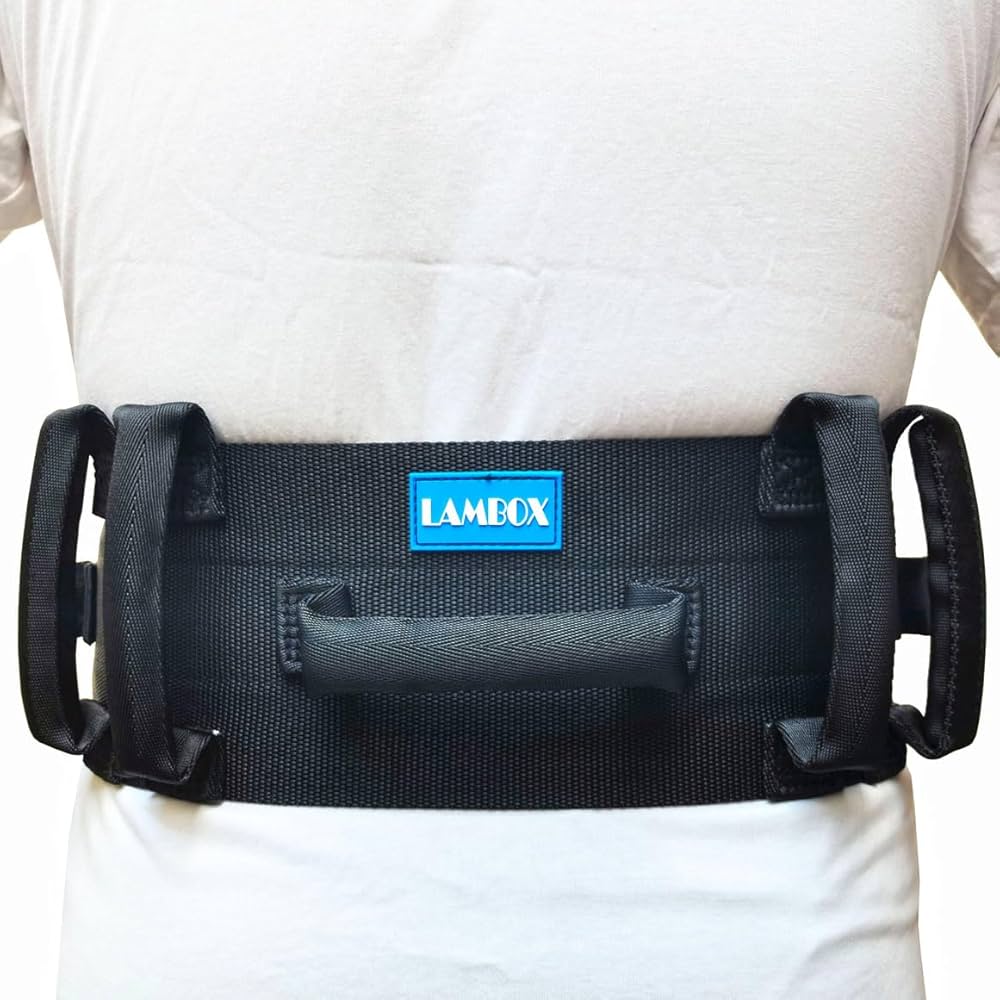


While all gait belts serve the same basic purpose, not all are created equal. Fold and Travel gait belts were designed with an understanding of the real challenges caregivers face each day.
Secure Materials That Stay Put
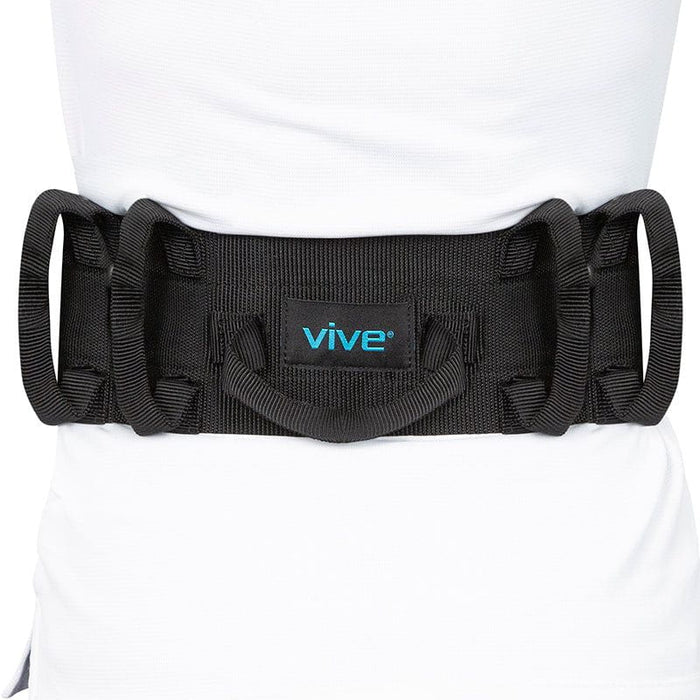
Strong cotton, reinforced nylon, and heavy-duty stitching ensure the belt remains stable and supportive during even the most physically demanding transfers.
Buckle Options for Every Scenario
Our collection includes:
-
Traditional metal buckles for maximum security
-
Quick-release buckles ideal for fast transitions
-
Handle-equipped belts for better leverage and ergonomic grip
Every detail supports safer, more controlled movement.
Comfort That Patients Appreciate
Some patients are sensitive to pressure or friction—especially during rehabilitation. That’s why we offer padded and contoured designs that feel gentler on the waist without compromising strength.
Where Gait Belts Make the Biggest Impact
Gait belts are used in countless everyday caregiving situations, including:
-
Standing up from a bed or chair
-
Walking short distances
-
Bathroom or shower transfers
-
Physical therapy balance exercises
-
Preventing sudden loss of stability while pivoting
They’re widely used in hospitals, assisted living facilities, rehab centers, and—more than ever—in family homes where loved ones want to stay safely independent.
How to Choose the Right Gait Belt for Your Needs
With so many styles available, here’s how to narrow down the best-fit option:
-
Need extra leverage? Choose a model with padded handles.
-
Caring for someone with sensitive skin? A soft, cotton or padded belt works best.
-
Looking for a quick on/off design? Go for a quick-release buckle.
-
Using it in clinical environments? Heavy-duty options are ideal for repetitive, high-demand use.
And if you’re unsure, the Fold and Travel team is always ready to guide you.
Why Caregivers Love Our Gait Belts

Once you use a gait belt during your first assistance, the benefits become obvious:
-
Your posture improves instantly
-
You use far less upper-body strength
-
The patient feels more secure and cooperative
-
Transfers become smoother and quicker
-
You avoid pulling on clothing or causing discomfort
It makes mobility feel safer, easier, and more controlled for everyone involved.
Empowering Safer, More Confident Caregiving
At Fold and Travel, we believe that mobility should support independence—not fear. Our gait belts are designed to bring dignity back into daily movement, whether you're helping someone take their first post-surgery steps or simply assisting them across the room.
When transfers feel safe, patients move with more trust. Caregivers work with more ease. And every moment becomes calmer, steadier, and more empowering.