


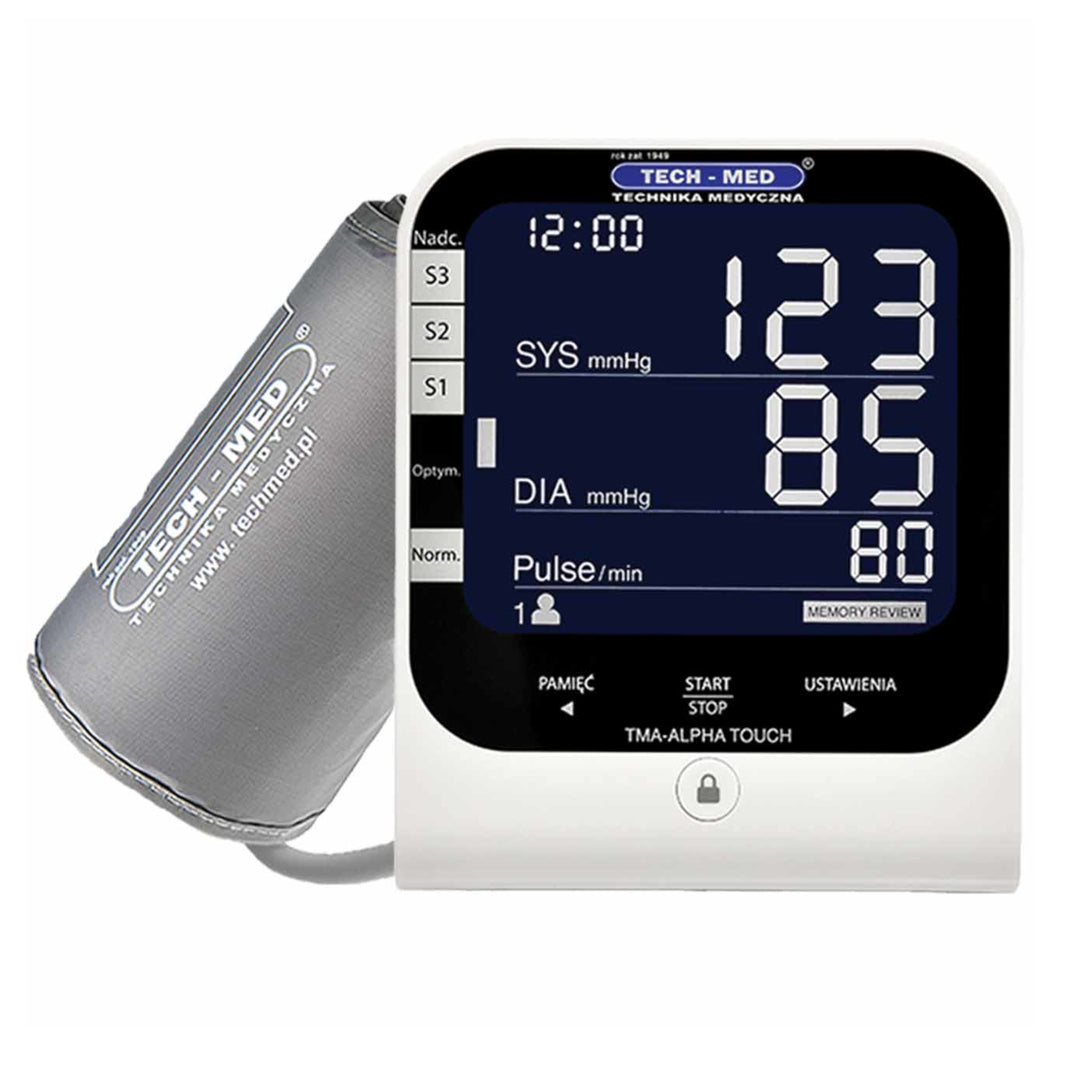
Memory Blood Pressure Monitors: Why They Matter for Everyday Health Tracking
Monitoring blood pressure consistently is one of the simplest yet most powerful ways to protect long-term cardiovascular health. Memory blood pressure monitors—also known as blood pressure monitors with built-in storage—make this process easier, more accurate, and far more useful for both patients and doctors.
In this guide, we’ll explore what memory blood pressure monitors do, how many readings they can store, how past measurements are saved, and why physicians often recommend them. We’ll also highlight why Fold and Travel Mobility stands out in the Blood Pressure Monitors category.
What Is a Memory Blood Pressure Monitor Used For?
A memory blood pressure monitor automatically stores previous blood pressure readings, including systolic pressure, diastolic pressure, pulse rate, and often the date and time of measurement.
Instead of writing numbers down manually, users can:
-
Track trends over days, weeks, or months
-
Detect early signs of hypertension
-
Share accurate data with healthcare professionals
-
Avoid errors caused by forgotten or miswritten results
Doctors frequently recommend memory-enabled devices because single measurements are not enough to diagnose or manage high blood pressure. Patterns over time are what really matter.
How Many Measurements Can a Blood Pressure Monitor Store?
The number of readings a monitor can keep in memory depends on the model and brand. Most modern devices store between 30 and 200 readings, and some advanced options allow:
-
Multiple user profiles (ideal for couples or families)
-
Separate memory banks per user
-
Averaged results (morning/evening or 7-day averages)
Blood pressure monitors from Fold and Travel Mobility are designed with practical daily use in mind, offering ample memory capacity without complicating the user experience—perfect for home monitoring and travel.
You can explore their full range of Blood Pressure Monitors here:
👉 https://www.foldandtravelmobility.com/collections/blood-pressure-monitors
Blood Pressure Monitors That Record Past Readings
A blood pressure monitor that records past readings helps turn raw numbers into actionable health insights. These devices typically feature:
-
Large, easy-to-read digital displays
-
One-button operation for fast measurements
-
Automatic data storage after each reading
-
Clear recall functions to scroll through past results
Many doctors suggest using such monitors at home because patients often experience “white coat syndrome”—higher readings in clinical settings due to stress. Home readings stored over time give physicians a more realistic picture of everyday blood pressure levels.
How Are Blood Pressure Measurement Records Stored?
Blood pressure measurement records can be stored in several ways:
1. Internal Device Memory
Most users rely on the monitor’s built-in memory to review past results directly on the screen.
2. Manual Logs or Journals
Some people still write readings down, but this method is more prone to errors and missed data.
3. Digital Apps & Downloads
Advanced monitors may sync with mobile apps via Bluetooth, allowing long-term storage, charts, and easy sharing with healthcare providers.
Fold and Travel Mobility focuses on simple, reliable storage that doesn’t require technical expertise—making their devices especially popular among seniors and frequent travelers.
Why Doctors Recommend Memory Blood Pressure Monitors
Medical professionals often advise patients to use memory-enabled blood pressure monitors because they:
-
Encourage consistent daily monitoring
-
Reduce reporting mistakes
-
Help evaluate treatment effectiveness
-
Support early detection of hypertension risks
When patients bring a monitor with stored readings to appointments, doctors can make better-informed decisions based on real-world data rather than isolated measurements.