

Choosing the right blood pressure monitor is one of the most important steps for managing heart health at home. One of the most common questions people ask is:
Is an arm (upper-arm) blood pressure monitor better than a wrist monitor?
Are wrist blood pressure monitors accurate and reliable?
Do doctors actually recommend wrist-type devices?
In this guide, we’ll break down the differences, accuracy levels, and medical opinions—while also showing why Fold and Travel Mobility has become a trusted name in home and travel-friendly blood pressure monitoring.
Arm-Type Blood Pressure Monitors: The Medical Gold Standard
Upper-arm blood pressure monitors are widely considered the most accurate option for home use.
Why Arm Monitors Are More Accurate
-
They measure blood pressure at heart level
-
Less sensitive to body position errors
-
Clinically validated in hospitals and doctor’s offices
-
Recommended by organizations such as cardiology associations
What Doctors Say
Most doctors prefer arm-type blood pressure monitors for patients with:
-
Hypertension
-
Heart disease risk
-
Diabetes
-
Long-term blood pressure tracking needs
This is why many healthcare professionals recommend clinically validated arm monitors, like those available from Fold and Travel Mobility’s
👉 Blood Pressure Monitors collection.

Wrist Blood Pressure Monitors: Are They Reliable?
Wrist blood pressure monitors are often questioned, but modern devices have come a long way.
Is Measuring Blood Pressure From the Wrist Accurate?
Yes—if used correctly.
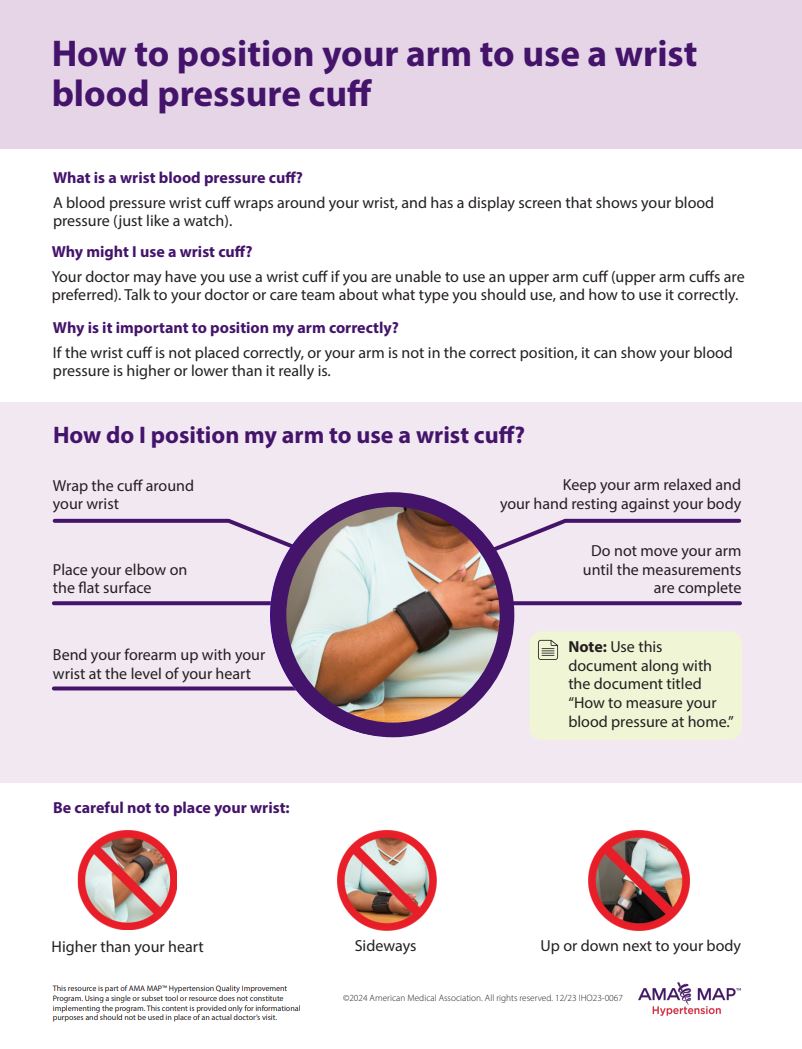
However, wrist monitors are more sensitive to positioning errors.
Common mistakes include:
-
Wrist not held at heart level
-
Bent wrist during measurement
-
Measuring immediately after movement
Are Wrist Monitors Trusted by Doctors?
Doctors do recommend wrist blood pressure monitors in specific cases, especially when:
-
Arm cuffs don’t fit properly
-
Patients have limited arm mobility
-
Users need a portable or travel-friendly solution
-
Elderly users struggle with upper-arm cuffs
Many physicians now approve validated wrist monitors, especially those designed with positioning guidance—like the models curated by Fold and Travel Mobility.
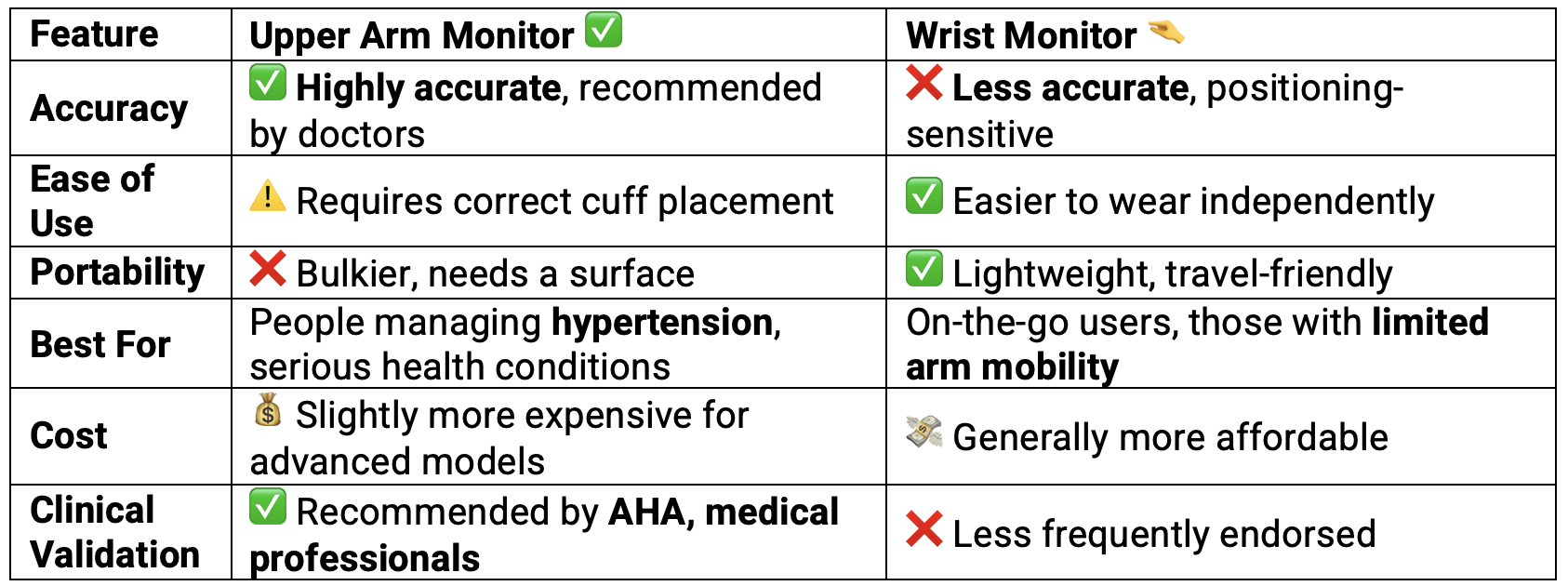
Arm vs Wrist: Quick Comparison
| Feature | Arm-Type Monitor | Wrist-Type Monitor |
|---|---|---|
| Accuracy | ⭐⭐⭐⭐⭐ | ⭐⭐⭐⭐ (with correct use) |
| Doctor Recommendation | Very High | Conditional |
| Ease of Use | Moderate | Very Easy |
| Portability | Low | Excellent |
| Travel-Friendly | ❌ | ✅ |
Which One Is Better for Home Use?
Choose an Arm Monitor If:
-
Accuracy is your top priority
-
You’re managing diagnosed hypertension
-
Your doctor specifically requested arm readings
Choose a Wrist Monitor If:
-
You travel frequently
-
You need quick, easy measurements
-
You have limited arm mobility
-
Your doctor has approved wrist monitoring
Fold and Travel Mobility specializes in both arm and wrist solutions, making it easier to choose based on lifestyle—not just medical needs.
Why Doctors Recommend Fold and Travel Mobility Blood Pressure Monitors
Healthcare professionals often suggest Fold and Travel Mobility products because they:
-
Use clinically validated measurement technology
-
Are designed for accurate home monitoring
-
Offer compact, travel-ready designs
-
Provide clear displays and simple operation for seniors
-
Meet international quality and safety standards
Doctors appreciate that patients are more consistent when devices are easy to use—and consistency is key to reliable blood pressure tracking.
Final Verdict: Arm or Wrist—Which Is Better?
There is no single “best” choice for everyone.
-
Arm monitors are generally more accurate and doctor-preferred
-
Wrist monitors are reliable when used properly and ideal for travel and convenience
The most important factor is choosing a high-quality, validated device—and using it consistently.
👉 Explore trusted, doctor-recommended options here:
Blood Pressure Monitors by Fold and Travel Mobility