

When mobility becomes limited—whether due to injury, chronic conditions, or age—what people truly seek is a solution that feels effortless, reliable, and adaptable to any environment. That’s exactly why lightweight manual wheelchairs have become the go-to option for both everyday users and caregivers. With modern materials, smart engineering, and comfort-driven design, these chairs offer independence without complication.
This article focuses specifically on lightweight manual wheelchairs, exploring why they’re gaining so much popularity, how they simplify daily routines, and what to look for when choosing the right one.
Why Lightweight Makes Such a Big Impact
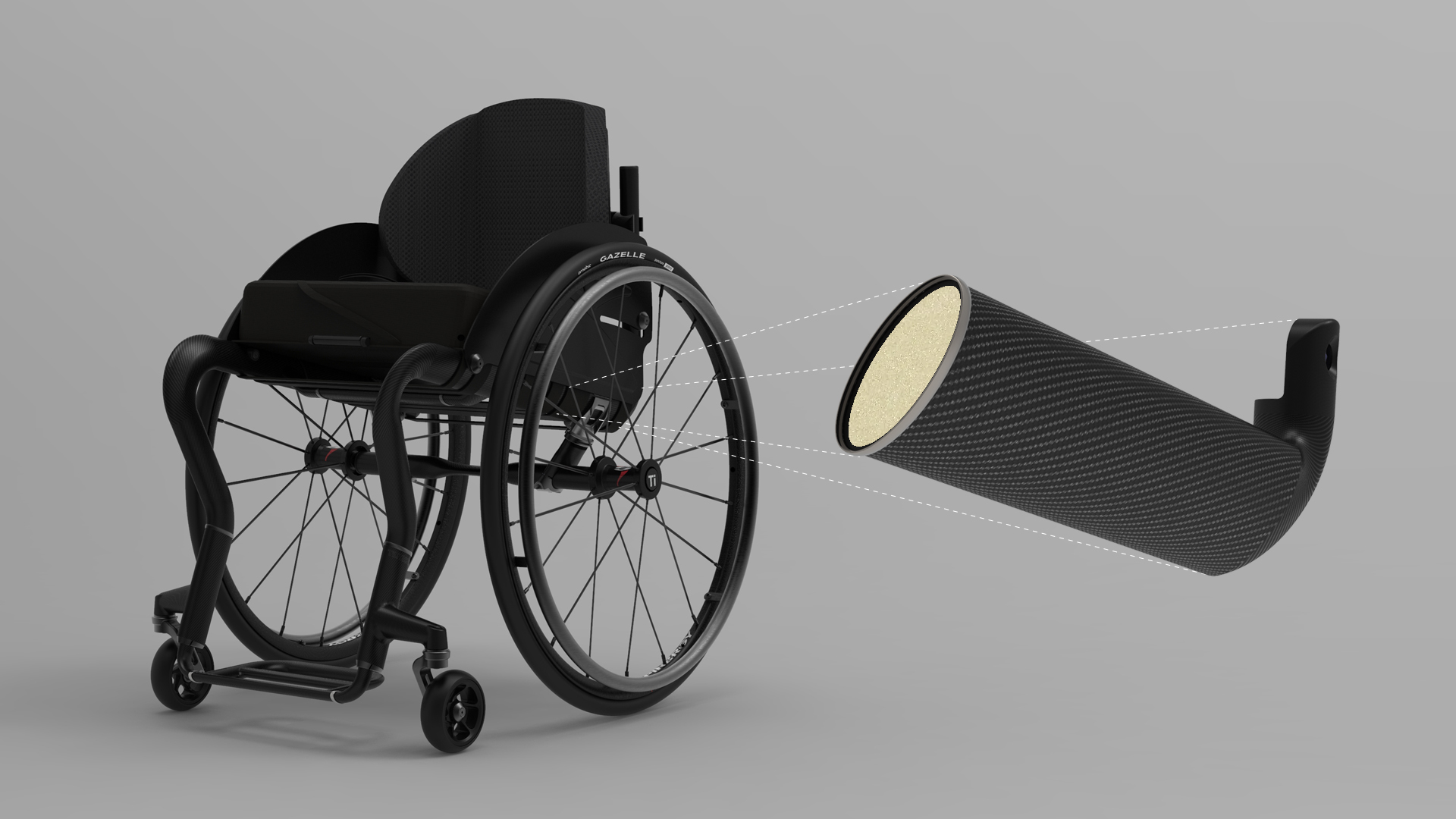
Traditional wheelchairs are strong and dependable but often heavy, bulky, and difficult to transport. Lightweight models, on the other hand, use advanced materials like aluminum or carbon fiber to offer durability without weighing users down—literally.

Who benefits the most?
-
Users who travel frequently
-
Individuals living in apartments or narrow hallways
-
Caregivers who need to lift and transport the chair
-
People seeking a solution for therapy, recovery, or temporary use
The reduced weight doesn’t just make carrying easier—it enhances maneuverability, allowing users to move more freely throughout their day.
Foldability: The Unsung Hero of Modern Wheelchairs
One of the biggest advantages of lightweight models is how quickly and easily they fold. A sturdy locking mechanism ensures stability during use, but when it’s time to store or transport, the entire chair collapses in seconds.
Real-life benefits include:
-
Effortless loading into a car
-
Minimal storage space at home or work
-
Seamless use during travel or hospital visits
-
Convenience in public transportation
For those who move around frequently during the day, a foldable wheelchair turns mobility into a smooth, stress-free experience.
Comfort Features Designed for Long-Term Use
For many users, a wheelchair isn’t just an occasional tool—it’s a daily companion. That’s why comfort is one of the most crucial factors in determining the right model.


Key comfort-boosting features include:
-
Pressure-relief cushions
-
Breathable ergonomic backrests
-
Adjustable arm and leg supports
-
Smooth-rolling wheels for reduced vibration
-
Various seat widths and depths
A well-designed seating system not only improves comfort but also helps prevent posture issues, fatigue, and skin irritation during long hours of use.
Enhanced Mobility for Active Lifestyles
Lightweight manual wheelchairs aren’t just convenient—they’re built to move. Many models are engineered for responsiveness, speed, and agility, appealing especially to users who prefer an active, engaged lifestyle.
Ideal for:
-
Long outdoor strolls
-
Sports and recreational activities
-
Shopping trips and daily errands
-
Navigating office or school hallways
-
Short-distance commuting
These wheelchairs allow users to keep pace with life rather than adjusting life to the wheelchair.
What to Consider Before Choosing a Lightweight Manual Wheelchair
Not all wheelchairs are built for the same needs. Before purchasing, it’s important to evaluate a range of factors to ensure the model fits the user’s body, lifestyle, and daily routine.
Essential considerations:
-
Overall weight of the chair
-
Weight capacity
-
Seat width, depth, and height
-
Wheel size depending on usage
-
Adjustability of armrests and footrests
-
Strength and reliability of the folding mechanism
-
Availability of replacement parts and service
Choosing the right wheelchair can dramatically improve independence, comfort, and long-term mobility.