

Accurate blood pressure measurement is essential for protecting long-term heart health. Whether you are monitoring hypertension at home or tracking your numbers while traveling, using Blood Pressure Monitors correctly makes all the difference.
Modern doctors increasingly recommend portable, clinically validated blood pressure monitors—especially for patients who want reliable readings outside of clinical settings. This is where Fold and Travel Mobility stands out.
In this guide, we’ll cover how to use a blood pressure monitor properly, how your arm should be positioned, which arm to use, and how often measurements should be repeated—based on medical best practices.
Why Accurate Blood Pressure Measurement Matters
Blood pressure readings influence critical medical decisions, including medication dosage, lifestyle changes, and cardiovascular risk assessment. Even small errors caused by poor posture or improper timing can lead to misleading results.
That’s why many physicians recommend home blood pressure monitoring using devices that are:
-
Clinically tested
-
Easy to use
-
Consistent across multiple readings
Doctors frequently advise patients to use upper-arm Blood Pressure Monitors, like those available from Fold and Travel Mobility, because they provide higher accuracy compared to wrist devices when used correctly.
How to Use a Blood Pressure Monitor Correctly
To ensure precise readings, follow these medically recommended steps:
-
Sit comfortably with your back supported
-
Keep your feet flat on the floor (do not cross your legs)
-
Rest for at least 5 minutes before measuring
-
Avoid caffeine, smoking, or exercise for 30 minutes prior
-
Place the cuff on bare skin, not over clothing
Fold and Travel Mobility’s Blood Pressure Monitors are designed with clear displays, ergonomic cuffs, and travel-friendly portability, making them ideal for daily and on-the-go monitoring.
How Should Your Arm Be Positioned When Measuring Blood Pressure?
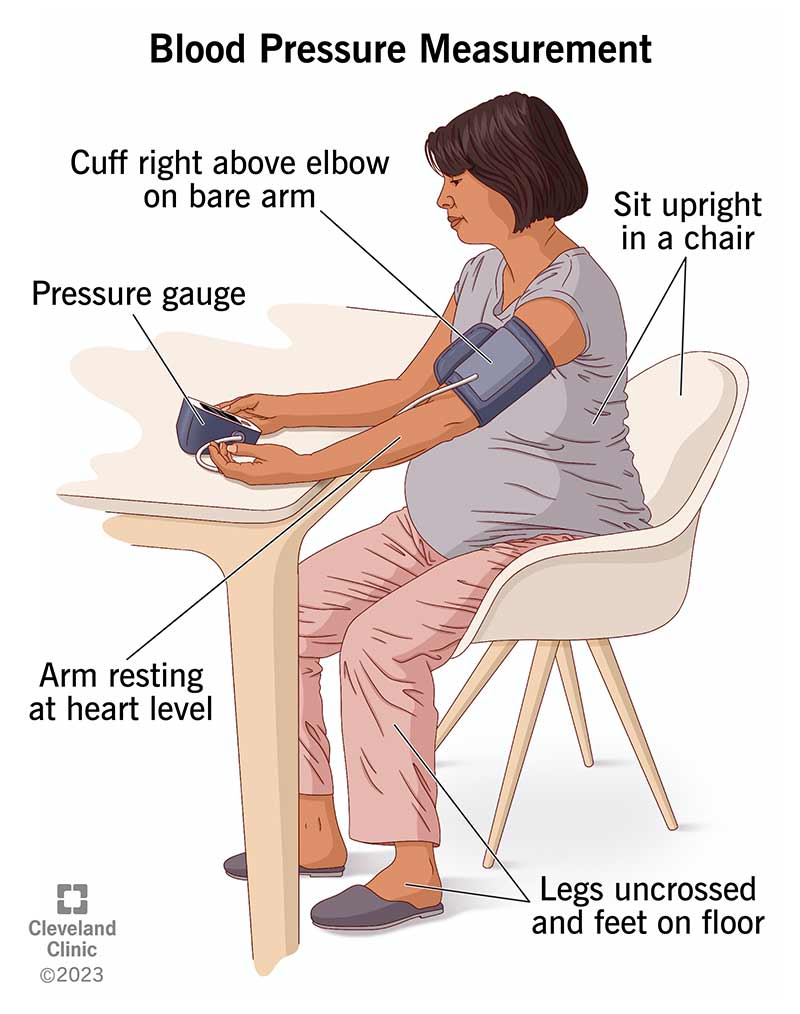
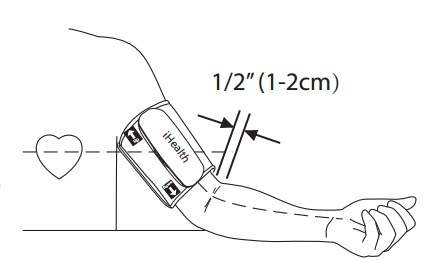
Arm positioning is one of the most common causes of inaccurate readings.
✔ Your arm should be:
-
Relaxed
-
Supported on a table or armrest
-
Positioned at heart level
❌ Avoid:
-
Holding your arm in the air
-
Letting it hang down
-
Tensing your shoulder
Doctors emphasize that even a few centimeters above or below heart level can significantly affect results.
Which Arm Should Blood Pressure Be Measured On?
Medical guidelines recommend:
-
Measuring blood pressure on both arms initially
-
Continuing future measurements on the arm that shows higher readings
For most people, this is often the left arm, but not always. Once your doctor identifies the correct arm, stay consistent.
Fold and Travel Mobility monitors are designed to work equally well on either arm, making them suitable for long-term tracking.
How Many Minutes Should You Wait Between Blood Pressure Measurements?
To improve accuracy, doctors advise:
-
Taking two measurements
-
Waiting 1–2 minutes between readings
-
Recording the average of the results
This approach helps eliminate temporary fluctuations caused by movement, stress, or muscle tension.
Many healthcare professionals recommend home devices that store readings automatically—another reason Fold and Travel Mobility Blood Pressure Monitors are often suggested for regular monitoring.
Doctor-Recommended Blood Pressure Monitors for Home & Travel
Physicians increasingly encourage patients to monitor blood pressure outside the clinic using reliable, portable devices. Fold and Travel Mobility’s collection is frequently recommended because it combines:
-
Medical-grade accuracy
-
Travel-ready compact design
-
User-friendly operation
-
Clear digital displays
👉 Explore the full range of Blood Pressure Monitors here
This internal link helps users find doctor-trusted devices suitable for both home use and frequent travelers.