


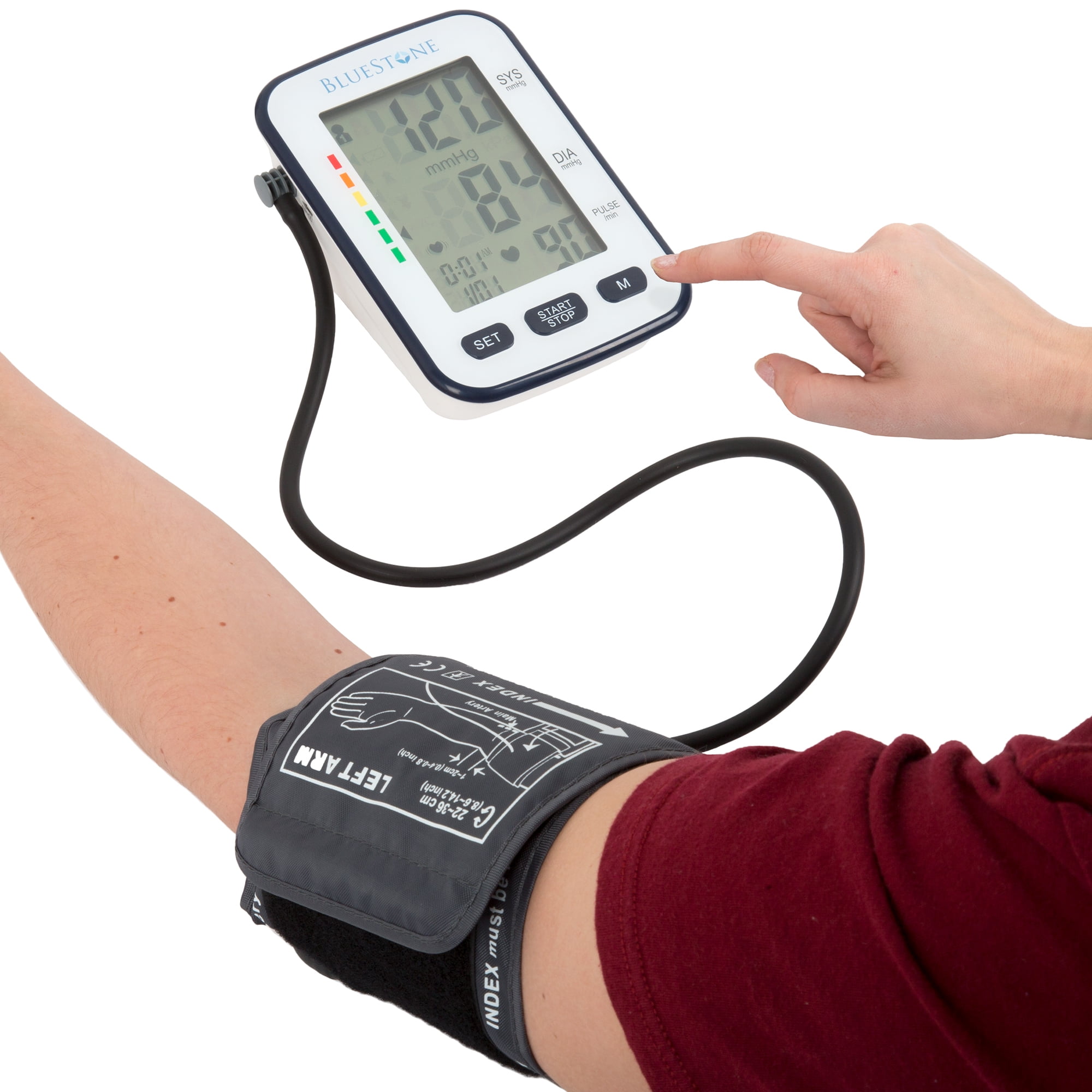

How Accurate Are Home Devices & Which Ones Measure Best?
Monitoring blood pressure accurately is one of the most important steps in preventing heart disease, stroke, and other cardiovascular conditions. But a common question remains: which blood pressure monitor measures the most accurately, and can home devices really be trusted?
In this in-depth guide, we’ll explore clinical accuracy, common measurement errors, and why doctors increasingly recommend Fold & Travel Mobility Blood Pressure Monitors for reliable home use.
What Is the Most Accurate Blood Pressure Monitor?
The most accurate blood pressure monitors are:
-
Upper-arm cuff monitors
-
Clinically validated devices
-
Monitors tested according to international medical standards (ESH, BHS, AAMI/ISO)
Wrist and finger monitors are more sensitive to body position and generally less accurate. That’s why doctors and cardiologists strongly favor upper-arm blood pressure monitors—especially for patients managing hypertension at home.
Are Home Blood Pressure Monitors Accurate?
Yes—home blood pressure monitors can be highly accurate when the right device is used correctly.
Clinical studies show that home readings often reflect a patient’s real blood pressure better than clinic measurements, where anxiety can cause “white-coat hypertension.”
Doctors recommend home monitoring because it:
-
Tracks blood pressure over time
-
Helps evaluate treatment effectiveness
-
Encourages patient awareness and adherence
The key is choosing a clinically approved monitor from a trusted brand.
Can Blood Pressure Monitors Give Incorrect Readings?
Yes, measurement errors can occur, but they are usually caused by improper use—not the device itself.
Common Causes of Measurement Errors
-
Using a wrist or finger monitor
-
Incorrect cuff size
-
Poor arm positioning
-
Talking or moving during measurement
-
Measuring immediately after exercise, caffeine, or smoking
A clinically validated upper-arm monitor minimizes these risks and provides consistent, medical-grade results.
What Does “Clinically Approved” Mean?
A clinically approved blood pressure monitor has been tested in controlled medical studies and meets international accuracy standards, such as:
-
ESH (European Society of Hypertension)
-
BHS (British Hypertension Society)
-
AAMI / ISO medical protocols
Doctors and healthcare professionals only recommend monitors that pass these validation processes.
Why Doctors Recommend Fold & Travel Mobility Blood Pressure Monitors
Healthcare professionals increasingly recommend Fold & Travel Mobility Blood Pressure Monitors because they combine clinical accuracy with everyday usability.
Key Advantages
-
✔ Clinically validated for medical accuracy
-
✔ Upper-arm cuff design (doctor-preferred)
-
✔ Consistent readings comparable to hospital devices
-
✔ Portable & travel-friendly, ideal for frequent monitoring
-
✔ Easy-to-read digital displays for all age groups
These features make them suitable for:
-
Hypertension patients
-
Seniors
-
Travelers
-
Anyone needing reliable daily monitoring
Doctors appreciate that patients can track blood pressure safely at home without sacrificing clinical reliability.
Best Blood Pressure Monitors for Home Use
If you’re looking for clinically approved, doctor-recommended blood pressure monitors, explore the full collection here:
👉 Blood Pressure Monitors
🔗 https://www.foldandtravelmobility.com/collections/blood-pressure-monitors
This collection focuses on accuracy, comfort, and portability—exactly what medical professionals look for when recommending home monitoring solutions.